Skills Needed for a Chef Job in Nigeria
To secure a chef job in Nigeria, you need a blend of strong culinary techniques, crucial soft skills, and practical experience. Employers in the Nigerian hospitality sector look for candidates who can not only cook well but also manage a busy kitchen, work effectively in a team, and adapt to diverse culinary demands.
Becoming a successful chef in Nigeria goes beyond just preparing delicious meals; it involves mastering a range of abilities that ensure kitchen efficiency, food safety, and customer satisfaction.
What Core Culinary Skills Do Nigerian Chefs Need?
Excellent culinary technique forms the foundation of any chef's career. Without these core abilities, even the best ingredients won't yield the desired results. Here's what you need to master:
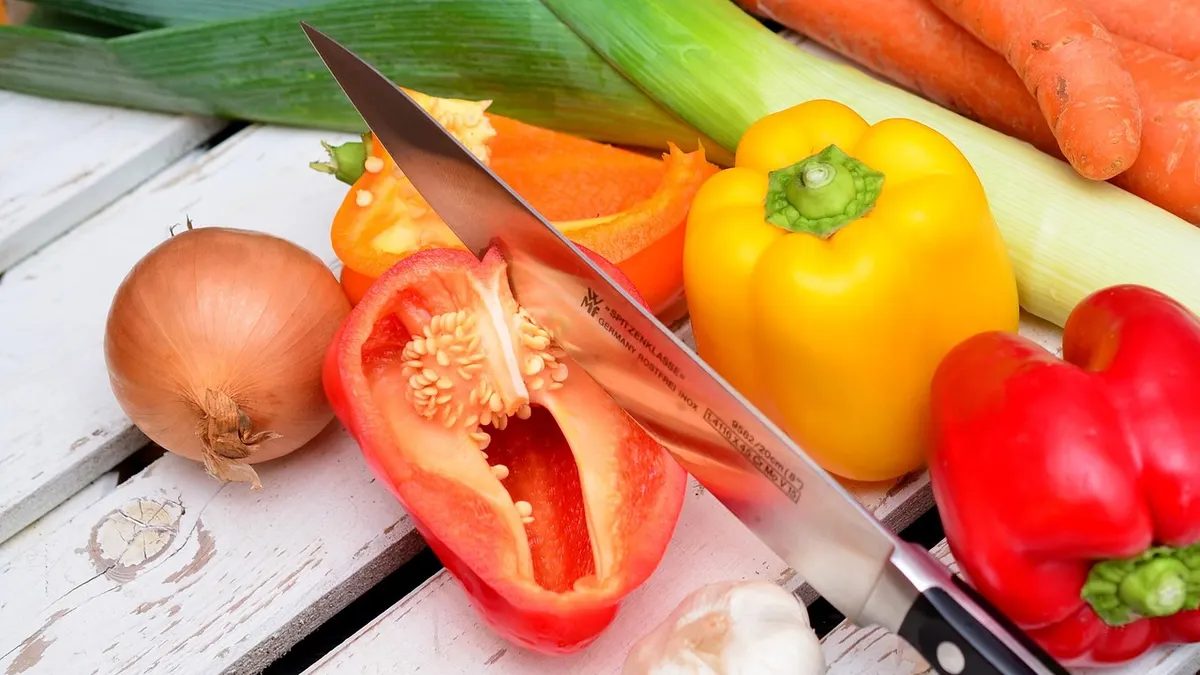
- Knife Skills: Precision and speed in chopping, slicing, dicing, and mincing are non-negotiable.
- Actionable Step: Practice daily with different vegetables and protein. Watch online tutorials and try to mimic professional chefs. Aim for consistent cuts.
- Mise en Place: This French term means 'everything in its place'. It's about organising and preparing ingredients before cooking begins.
- Actionable Step: Before starting any recipe, gather all ingredients, measure them, and prepare them (chop, marinate, etc.). This makes cooking smoother and faster.
- Cooking Methods: Proficiency in various techniques like frying, grilling, roasting, baking, boiling, simmering, and sautéing is crucial.
- Actionable Step: Experiment with different cooking methods for familiar Nigerian dishes. Try roasting yam instead of boiling, or grilling fish instead of frying to understand the nuances.
- Food Safety and Hygiene: Adherence to strict food safety protocols is paramount to prevent foodborne illnesses. This includes proper storage, handling, temperature control, and cross-contamination prevention.
- Actionable Step: Familiarise yourself with general food safety guidelines. Always wash hands thoroughly, use separate cutting boards for raw and cooked items, and store food at appropriate temperatures.
- Plating and Presentation: A dish must be visually appealing. Understanding how to arrange food on a plate enhances the dining experience.
- Actionable Step: Take photos of your dishes and critically evaluate their appearance. Look at professional food photography for inspiration on colour, texture, and height.
- Understanding Nigerian Cuisine: While international cuisine knowledge is a plus, a deep understanding of local flavours, ingredients, and traditional cooking methods is often expected.
- Actionable Step: Learn to prepare a wide range of Nigerian dishes, from various soups and stews to rice dishes and local snacks. Experiment with regional variations.

Beyond Cooking: Essential Soft Skills for Chefs in Nigeria
While technical skills get you in the door, soft skills keep you there and help you advance. In the fast-paced, high-pressure environment of a professional kitchen in Nigeria, these skills are invaluable:
- Teamwork and Communication: Kitchens are collaborative. You need to communicate clearly with fellow chefs, front-of-house staff, and suppliers.
- Actionable Step: Practice active listening and concise communication. When working in a team, offer help and accept feedback constructively.
- Time Management and Organisation: You'll often manage multiple tasks under tight deadlines, especially during peak hours.
- Actionable Step: Develop a habit of prioritising tasks. Create a mental checklist for your daily duties and stick to time limits for prep work and cooking.
- Creativity and Innovation: While recipes are followed, a chef often needs to innovate, create new dishes, or adapt existing ones to local tastes and available ingredients.
- Actionable Step: Experiment with ingredient combinations. Try adding a unique twist to a classic Nigerian dish or creating a new sauce.
- Adaptability and Resilience: Kitchens can be unpredictable. You might face unexpected ingredient shortages, equipment malfunctions, or sudden rushes.
- Actionable Step: Practice staying calm under pressure. View unexpected challenges as opportunities to problem-solve rather than setbacks.
- Leadership (for Senior Roles): Head chefs and sous chefs need to lead, motivate, and mentor their teams.
- Actionable Step: Seek opportunities to take charge in small projects, even outside the kitchen. Observe effective leaders and try to emulate their qualities. For more on transferable leadership and organisational skills, consider reading our article on Skills Needed for a Project Manager Job in Nigeria.
- Attention to Detail: From seasoning to plating, every detail matters in creating a memorable dish.
- Actionable Step: Double-check recipes, taste food at every stage, and critically review the presentation of your final dishes.
How Can I Develop Chef Skills in Nigeria?
Developing your skills requires a proactive approach. Here’s how you can gain experience and expertise in Nigeria:
- Formal Culinary Training: Enrolling in a culinary school or hospitality institute provides structured learning, certifications, and often industry connections.
- Apprenticeships/Internships: Many restaurants and hotels in Nigeria offer practical training. This hands-on experience is invaluable for learning kitchen operations. Search for opportunities directly on their websites or through culinary associations.
- NYSC Placements: If you are a fresh graduate, consider seeking a Place of Primary Assignment (PPA) in hotels, catering companies, or large corporate canteens. This can provide relevant experience during your service year. Visit the NYSC portal for general information.
- Self-Study and Practice: Buy cookbooks, watch culinary shows, and practice cooking regularly at home. Experiment with new recipes and techniques.
- Networking: Attend food festivals, culinary workshops, and connect with other chefs and hospitality professionals in Nigeria.
Common Mistakes Aspiring Nigerian Chefs Make
Avoiding these pitfalls can significantly accelerate your career progression:
- Neglecting Soft Skills: Focusing solely on cooking technique while ignoring communication, teamwork, and time management can hinder your career.
- Poor Hygiene Practices: This is a critical error. Any lapse in hygiene can lead to serious health issues and damage a kitchen's reputation.
- Lack of Adaptability: Refusing to learn new cuisines, adapt to different kitchen cultures, or use available local ingredients creatively.
- Ignoring Food Costing: Not understanding how to manage ingredients efficiently and minimise waste impacts profitability, a key concern for Nigerian employers.
- Failing to Understand Local Palates: While creativity is good, dishes must appeal to the local clientele. A disconnect here can lead to low sales.
How to Spot the Problem Early:
- If your team struggles with coordination, it’s often a sign of poor communication.
- If you frequently run out of ingredients or have excessive waste, your planning and costing skills need work.
- If customers consistently leave feedback about the taste or presentation being off, you need to re-evaluate your understanding of their preferences and your attention to detail.
Boosting Your Chef CV for Nigerian Employers
Your CV is your first impression. Tailor it to highlight your culinary expertise and relevant experience.
- Highlight Practical Experience: Emphasise specific roles, cuisines you've mastered, and types of establishments you've worked in.
- Certifications: Include any culinary diplomas, food hygiene certificates, or specialisation courses.
- Quantify Achievements: Instead of vague statements, use numbers where possible.
For example:
- Before: "Cooked meals in a restaurant."
- After: "Prepared daily menu items for a 150-seat restaurant, including Nigerian and Continental dishes, ensuring timely service and consistent quality."
Acing Your Chef Interview in Nigeria
Chef interviews often involve practical tests alongside traditional Q&A sessions.
- Be Prepared for Practical Tests: You might be asked to prepare a specific dish or demonstrate knife skills.
- Show Enthusiasm and Passion: Employers want to see that you genuinely love cooking and are eager to learn.
- Understand the Establishment: Research the restaurant or hotel's menu, style, and clientele.
For example:
- Interviewer Question: "How do you handle a sudden rush of orders during peak service?"
- Sample Answer: "During peak service, I rely on meticulous mise en place to ensure all ingredients are ready. I prioritise orders based on complexity and cooking time, communicate constantly with the team on ticket progress, and stay calm under pressure to maintain efficiency and quality. For example, at my previous role, we once had a power outage during a busy dinner service; I quickly adapted by moving to gas burners and coordinating with the team to focus on dishes that could be prepared with minimal electricity, ensuring customer satisfaction."
Where Can I Find Chef Job Vacancies in Nigeria?
Finding the right chef job requires a targeted approach. Here are some avenues to explore:
- Online Job Boards: Popular Nigerian job websites often list vacancies from hotels, restaurants, catering companies, and private households.
- Direct Applications: Many high-end hotels, resorts, and restaurants prefer direct applications. Check their official websites frequently for career sections.
- Networking: Connect with other chefs, hospitality managers, and culinary school alumni. Word-of-mouth is a powerful recruitment tool in Nigeria.
- Culinary Associations: Some professional culinary bodies or guilds might have job boards or can connect you with potential employers.
Always confirm recruitment details on the employer's official website. Legitimate employers in Nigeria do not charge application fees. Be wary of any request for payment during the application process. You can find more general information on labour laws and employment practices from the Federal Ministry of Labour and Employment.
Getting Help With Your Chef Job Applications
Crafting a CV and cover letter that truly highlights your skills and experience for a specific chef vacancy can be time-consuming. An application assistant can make this process more efficient. Jobbot is a job search app that lists vacancies gathered from Nigerian and remote job boards. It can score how well your CV matches a job, and uses AI to tailor your CV and write a cover letter specifically for that chef role. On its premium plan, Jobbot can even queue applications for you, streamlining your job search.
The most useful next step is to evaluate your current culinary and soft skills against the demands of a chef job. Identify areas for improvement and create a personal development plan to acquire the necessary experience and refine your abilities, starting with consistent practice in your kitchen today.
Frequently asked questions
What qualifications do I need to become a chef in Nigeria?
While formal culinary school diplomas or certificates are highly valued, practical experience and strong demonstrable skills are often prioritised. Many successful chefs in Nigeria started through apprenticeships or on-the-job training, developing their expertise over time.
How much experience do I need for an entry-level chef job in Nigeria?
For an entry-level position like a commis chef or kitchen assistant, employers often look for candidates with basic culinary knowledge, a willingness to learn, and perhaps a few months of kitchen experience from an internship or a small eatery. Demonstrating a strong work ethic and good hygiene is also crucial.
Are chef jobs in Nigeria well-paying?
Salaries for chefs in Nigeria vary widely based on experience, skill level, the type of establishment, and location. Entry-level positions may offer modest naira salaries, while experienced head chefs in high-end hotels or restaurants can command significantly higher compensation. Continuously developing your skills and gaining experience in diverse cuisines can lead to better opportunities.
What's the difference between a cook and a chef?
While often used interchangeably, a 'chef' typically denotes a professional with formal training, advanced culinary skills, and often supervisory or managerial responsibilities in a kitchen. A 'cook' generally refers to someone who prepares food, which can include home cooking or less formal professional settings. All chefs are cooks, but not all cooks are chefs.